
Plantthatplant
Philodendron gloriosum Variegata - Preorder
Philodendron gloriosum Variegata - Preorder
Couldn't load pickup availability
Share
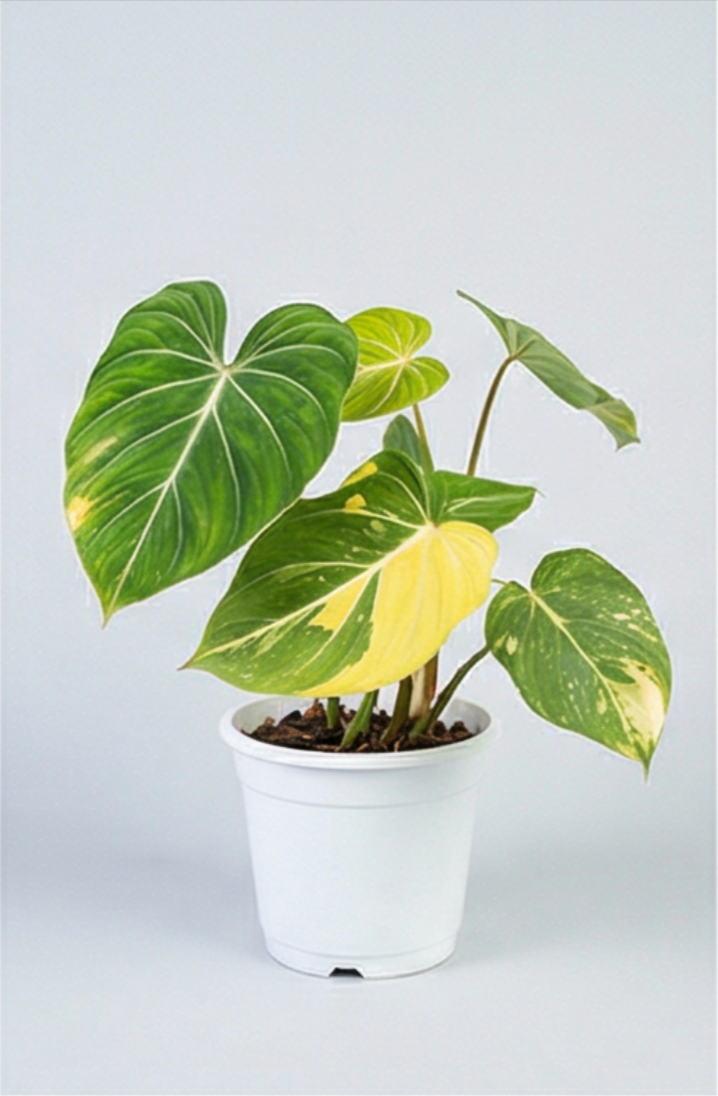
Philodendron gloriosum Variegata is a rare variegated form of Philodendron gloriosum, a terrestrial creeping Philodendron species native to Colombia. The species is admired for its large velvety heart shaped leaves with prominent white veining and a distinctive ground growing habit. In the variegated form the deep green foliage is accented by irregular marbling and patches of cream to pale yellow which create a striking contrast against the soft velvet texture. Each leaf develops unique patterns, making this plant a highly sought after collector specimen.
Due to the rarity of stable variegation and the slow growing nature of Philodendron gloriosum, this plant performs best in controlled indoor environments where stable conditions support long term health.
Reserve your plant today – we grow it with care before delivery. We grow them in 6–9 cm pots. Heat pack + isolating packaging included. The plants are not the exact plants in the picture; we receive small cuttings and grow the plants for two months. The plants in the pictures are mature plants, the plant you will get is grown in a 6–9 cm pot.
Care guide
Light
Bright indirect light. Provide strong filtered light to maintain variegation and support healthy leaf development. Avoid direct sunlight, which can damage the lighter areas of the leaves.
High Humidity
Moderate to high humidity is preferred, ideally above sixty percent. Consistent humidity helps preserve leaf texture and supports steady growth.
Soil
Light chunky soil mix. Use an airy, well draining aroid substrate rich in organic matter to support the creeping rhizome.
Watering
Keep evenly moist. Allow the top layer of the substrate to dry slightly between waterings. Avoid letting the soil dry out completely or remain waterlogged.
Temperature
Keep it warm between twenty and twenty eight degrees Celsius, or sixty eight to eighty two degrees Fahrenheit. Protect from cold drafts and sudden temperature changes.
Fertilizer
Light regular feeding during the growing season supports slow steady growth. Use a balanced fertilizer at low strength.
Growth habit and additional care
Creeping non climbing growth with a surface running rhizome and broad velvety foliage. Variegated leaves are sensitive to stress, low humidity and inconsistent care, so stable conditions, minimal handling and a consistent routine are essential for long term success.